
Colorectal Cancer
What is Colorectal Cancer?
Colorectal cancer begins in the colon (large intestine) or rectum, parts of the digestive system that process food and remove waste. It develops when abnormal cells grow uncontrollably, forming polyps or tumors that may spread to nearby tissues or other parts of the body.
It is one of the most common cancers worldwide, but also one of the most preventable and treatable when found early through regular screening. Lifestyle, diet, genetic factors, and certain health conditions can increase the risk.
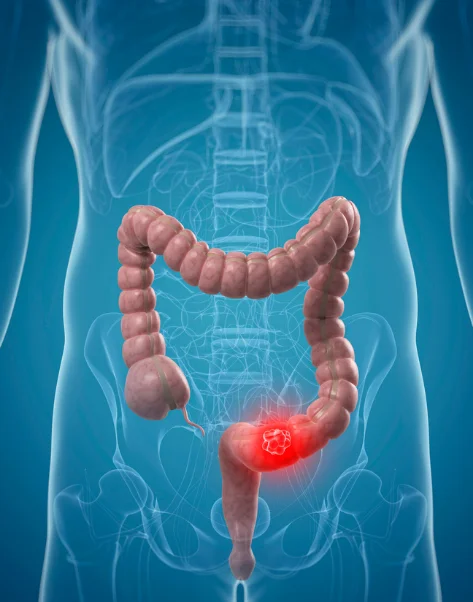
Signs and Symptoms of Colorectal Cancer
Changes in bowel habits (diarrhea, constipation, or narrowing of stool)
Blood in the stool (bright red or dark)
Persistent abdominal discomfort, bloating, or cramps
Feeling that the bowel doesn’t empty completely
Unexplained weight loss
Fatigue or weakness
Nausea or loss of appetite
Diagnosis of Colorectal Cancer
Colonoscopy
A flexible tube with a camera examines the colon and rectum; polyps can be removed during the procedure.
Fecal Occult Blood Test (FOBT) or FIT Test
Detects hidden blood in stool samples.
CT Colonography (Virtual Colonoscopy)
Detailed imaging to identify abnormal growths.
Biopsy
A tissue sample is analyzed for cancer cells.
Imaging Tests (CT or MRI scans)
Used to determine if cancer has spread.
Treatments
Treatment for colorectal cancer depends on the stage, location, and overall health. Options may include:
Surgery
Polypectomy or Local Excision
Removal of polyps or early-stage tumors during colonoscopy.
Colectomy
Removal of part or all of the colon.
Chemotherapy
Drugs that kill cancer cells, often used before or after surgery.
Radiotherapy
High-energy rays used mainly for rectal cancer.
Targeted Therapy
Drugs that attack cancer-specific genes or proteins.
Immunotherapy
Helps the immune system recognize and destroy cancer cells, especially in advanced cases.
Managing Side Effects
Common side effects may include:
- Fatigue
- Nausea or vomiting
- Bowel changes (diarrhea or constipation)
- Loss of appetite
- Hair loss (with chemotherapy)
- Nerve problems such as tingling or numbness
Tips to manage side effects:
- Eat a fiber-balanced diet as recommended by your doctor
- Stay hydrated and active to reduce fatigue
- Use medications to manage nausea or bowel changes
- Seek counseling or support groups for emotional well-being
- Communicate regularly with your healthcare team
Living With & Beyond Cancer
Helpful strategies include:
- Regular follow-up exams and colonoscopies
- Maintaining a healthy diet rich in fruits, vegetables, and whole grains
- Staying physically active to aid recovery
- Managing stress through mindfulness, counseling, or support groups
- Monitoring long-term side effects and discussing them with your doctor
Children & Young People
Key considerations include:
- Discuss family history with healthcare providers
- Consider genetic counseling if multiple family members are affected
- Provide age-appropriate education about digestive health
- Encourage healthy eating habits and physical activity
End-of-Life Care
Core aspects of care include:
- Relief from pain, nausea, and digestive discomfort
- Emotional and psychological support for patients and families
- Guidance with nutrition and hydration in late stages
- Hospice services to ensure comfort and compassionate care