
Oral Cavity Cancer
What is Oral Cavity Cancer?
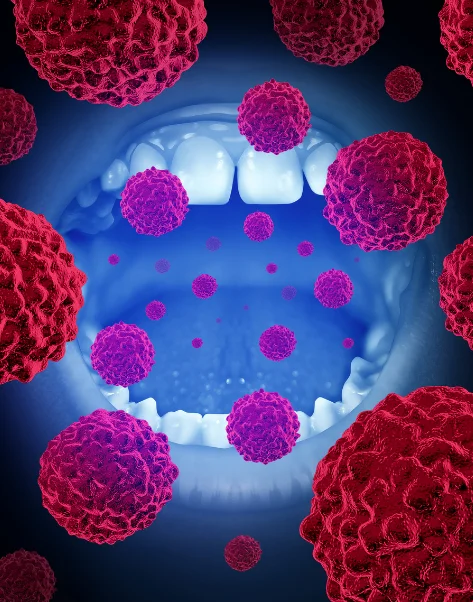
Signs and Symptoms of Oral Cavity Cancer
A persistent sore or ulcer in the mouth that does not heal
Red or white patches inside the mouth
A lump or thickening in the cheek or tongue
Difficulty chewing, swallowing, or moving the tongue/jaw
Persistent mouth or ear pain
Numbness in the tongue or other areas of the mouth
Loose teeth without an obvious cause
Unexplained bleeding in the mouth and changes in speech or voice
Diagnosis of Oral Cavity Cancer
Physical Examination
Checking for lumps, sores, or patches inside the mouth.
Biopsy
Removing tissue from a suspicious area to confirm cancer cells.
Imaging Tests
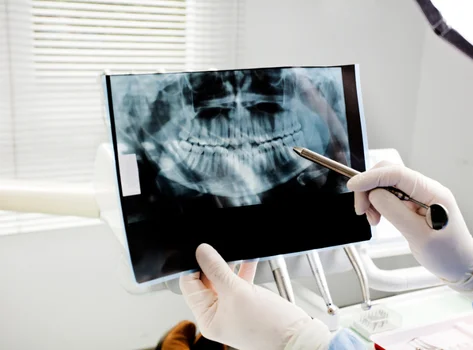
X-rays, CT scans, MRI, or PET scans to determine cancer spread.
Endoscopy
Using a small camera to examine the throat and oral cavity more closely.
Treatments
Surgery
Removal of the tumor and surrounding tissue.
In advanced cases, reconstructive surgery may be required to restore function and appearance.
Radiotherapy
High-energy rays target cancer cells, often used after surgery or as a primary treatment in early stages.
Chemotherapy
Drugs used to kill cancer cells, often combined with radiation for advanced cases.
Targeted Therapy
Drugs that specifically target cancer cell growth and survival mechanisms.
Immunotherapy
Strengthens the immune system to fight oral cavity cancer, especially in recurrent or advanced cases.
Managing Side Effects
Common side effects may include:
- Difficulty swallowing or speaking
- Mouth sores and dry mouth
- Fatigue
- Loss of taste or appetite
- Nausea or vomiting
- Changes in appearance or speech after surgery
Tips to manage side effects:
- Maintain good oral hygiene and use mouth rinses recommended by your doctor
- Eat soft, nutritious foods to avoid irritation
- Stay hydrated to combat dry mouth
- Work with speech or swallowing therapists if needed
- Seek emotional support through counseling or support groups
- Communicate regularly with your healthcare team
Living With & Beyond Cancer
Helpful strategies include:
- Attend regular follow-ups and dental check-ups
- Join support groups or counseling sessions for emotional well-being
- Maintain a healthy lifestyle with diet, exercise, and stress management
- Consider rehabilitation therapies to restore speech and swallowing functions
- Avoid smoking, alcohol, and risk factors that may cause recurrence
Children & Young People
Key considerations include:
- Monitor for unusual lumps, sores, or patches in the mouth
- Provide age-appropriate counseling and education
- Support emotional well-being through therapy and family involvement
- Pediatric care ensures proper development and specialized treatment
End-of-Life Care
Core aspects of care include:
- Managing pain, swallowing difficulties, and breathing issues
- Emotional and psychological support for patients and families
- Nutritional assistance for eating challenges
- Hospice services to provide specialized end-of-life care