
Prostate Cancer
What is Prostate Cancer?
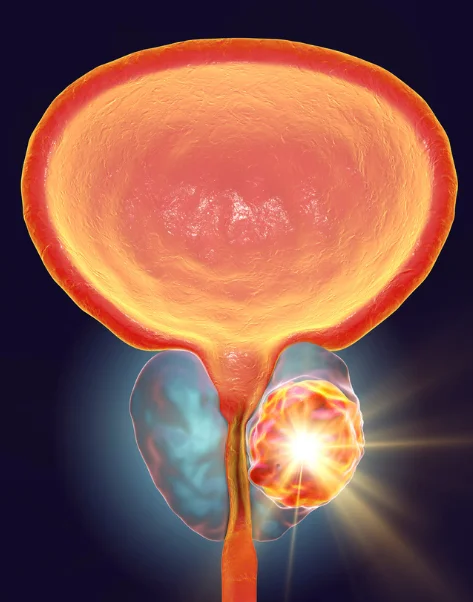
Signs and Symptoms of Prostate Cancer
Early-stage prostate cancer often shows no symptoms, which is why regular screening is important. When symptoms appear, they may include:
Difficulty starting or stopping urination
Weak or interrupted urine flow
Frequent urination, especially at night
Blood in urine or semen
Pain or stiffness in the lower back, hips, or pelvis
Erectile dysfunction
Unexplained fatigue or weight loss
Diagnosis of Prostate Cancer
PSA Test (Prostate-Specific Antigen)
Measures PSA levels in the blood; elevated levels may indicate prostate cancer.
Digital Rectal Exam (DRE)
A physical exam to check the size, shape, and texture of the prostate.
Biopsy
Removal of a small tissue sample to confirm cancer cells.
MRI or Ultrasound
Detailed imaging to locate tumors or guide biopsies.
Treatments
Active Surveillance
Monitoring slow-growing prostate cancer without immediate treatment.
Surgery (Prostatectomy)
Removal of part or all of the prostate gland.
Radiotherapy
High-energy rays target cancer cells in the prostate.
Hormone Therapy
Reduces testosterone to slow cancer growth.
Chemotherapy
Uses drugs to destroy cancer cells, usually for advanced prostate cancer.
Targeted Therapy & Immunotherapy
Drugs that target specific pathways or boost the immune system against cancer.
Managing Side Effects
Common side effects may include:
- Fatigue
- Urinary or bowel changes
- Sexual dysfunction
- Hot flashes (from hormone therapy)
- Hair loss (from chemotherapy)
Tips to manage side effects:
- Maintain a balanced diet and stay hydrated
- Gentle exercise to reduce fatigue
- Medications to relieve pain, nausea, or urinary issues
- Seek emotional support from counselors, family, or support groups
- Communicate openly with your healthcare team
Living With & Beyond Cancer
Helpful strategies include:
- Attend regular follow-ups and screenings
- Join support groups or counseling sessions
- Adopt a healthy lifestyle with diet, exercise, and stress management
- Engage in pelvic floor exercises to aid recovery
- Monitor and manage side effects for long-term well-being
Children & Young People
Key considerations include:
- Encourage awareness of family health history
- Provide age-appropriate education about male health and cancer risks
- Support emotional well-being if a young family member is affected
- Early guidance helps young men understand preventive measures
End-of-Life Care
Core aspects of care include:
- Managing pain, urinary difficulties, and other symptoms
- Emotional and psychological support for patients and families
- Assistance with daily activities and decision-making
- Hospice services for specialized end-of-life care