
Cervical Cancer
What is Cervical Cancer?
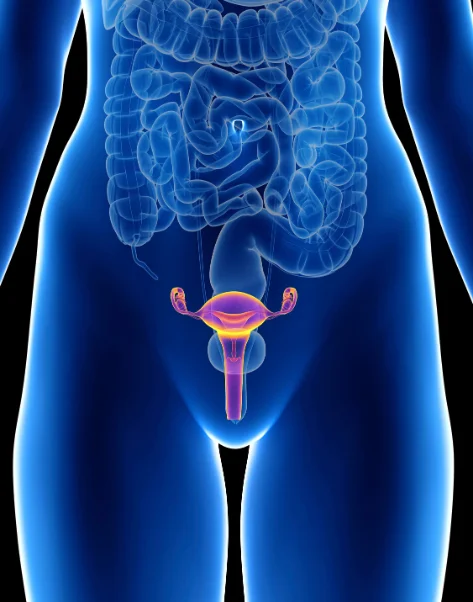
Cervical cancer occurs in the cervix—the lower, narrow part of the uterus that connects to the vagina. It develops when abnormal cells grow uncontrollably in the cervical lining. Most cervical cancers are squamous cell carcinomas, which start in the thin, flat cells lining the cervix, while others are adenocarcinomas, arising in glandular cells.
Human papillomavirus (HPV) infection is the most significant risk factor, though smoking, a weakened immune system, and long-term contraceptive use can also contribute. Early detection is crucial as precancerous changes can be treated before progressing to invasive cancer.
Signs and Symptoms of Cervical Cancer
Abnormal vaginal bleeding (between periods, after intercourse, or post-menopause)
Unusual vaginal discharge, sometimes with blood or foul odor
Pelvic pain or discomfort
Pain during sexual intercourse
Urinary or bowel changes in advanced stages
Diagnosis of Cervical Cancer
Pap Smear (Cytology Test)
Detects precancerous or abnormal cervical cells.
HPV Test
Identifies high-risk strains of the virus linked to cervical cancer.
Colposcopy
Uses a magnifying device to closely examine the cervix; abnormal areas may be biopsied.
Biopsy
Confirms the presence of cancer cells.
Imaging (CT, MRI, or PET scans)
Determines the extent and stage of cancer.
Treatments for Cervical Cancer
Surgery
Conization
Removes a cone-shaped section of abnormal tissue.
Hysterectomy
Partial or total removal of the uterus.
Radical Hysterectomy
Includes removal of nearby tissues and lymph nodes for more advanced cancer.
Radiotherapy
High-energy rays destroy cancer cells, often combined with chemotherapy.
Chemotherapy
Drugs that kill cancer cells, sometimes used with radiation or for advanced disease.
Targeted Therapy & Immunotherapy
Newer options for specific mutations or advanced, recurrent cancer cases.
Managing Side Effects
Common side effects may include:
- Fatigue and weakness
- Nausea or vomiting
- Vaginal irritation or discharge
- Menstrual changes or early menopause
- Changes in bladder or bowel function
Tips to manage side effects:
- Eat small, nutrient-rich meals to maintain energy
- Stay hydrated
- Use medications prescribed for nausea, pain, or infections
- Engage in gentle exercise and rest to reduce fatigue
- Seek counseling or join support groups for emotional support
Living With & Beyond Cervical Cancer
Helpful strategies include:
- Regular Pap smears and follow-up appointments
- Support for sexual health, fertility, and emotional well-being
- Maintaining a healthy lifestyle with balanced diet and exercise
- Avoiding smoking and limiting alcohol intake
- Joining support groups to share experiences

Children & Young People
Key considerations include:
- HPV vaccination is recommended for prevention
- Education on safe sexual practices and HPV risks
- Emotional and psychological support for young patients diagnosed
- Access to specialized gynecologic oncology care if needed
End-of-Life Care
Core aspects of care include:
- Managing pain, bleeding, or urinary and bowel difficulties
- Emotional and psychological support for patients and families
- Hospice care for compassionate support in late stages